
Do you have a damaged molar? Is a fracture in your tooth making daily life uncomfortable? We often recommend dental crowns to cover and protect damaged or injured teeth. Tooth crowns improve the aesthetics of the smile and prevent further tooth wear or damage.
Getting a crown can also make it easier to eat and speak comfortably. If you’re interested in dental crowns but have questions about treatment or how dental crowns work after treatment, we’re here to help. Here, we will answer commonly asked questions that patients have about dental crowns in our Lexington, KY, dental office.
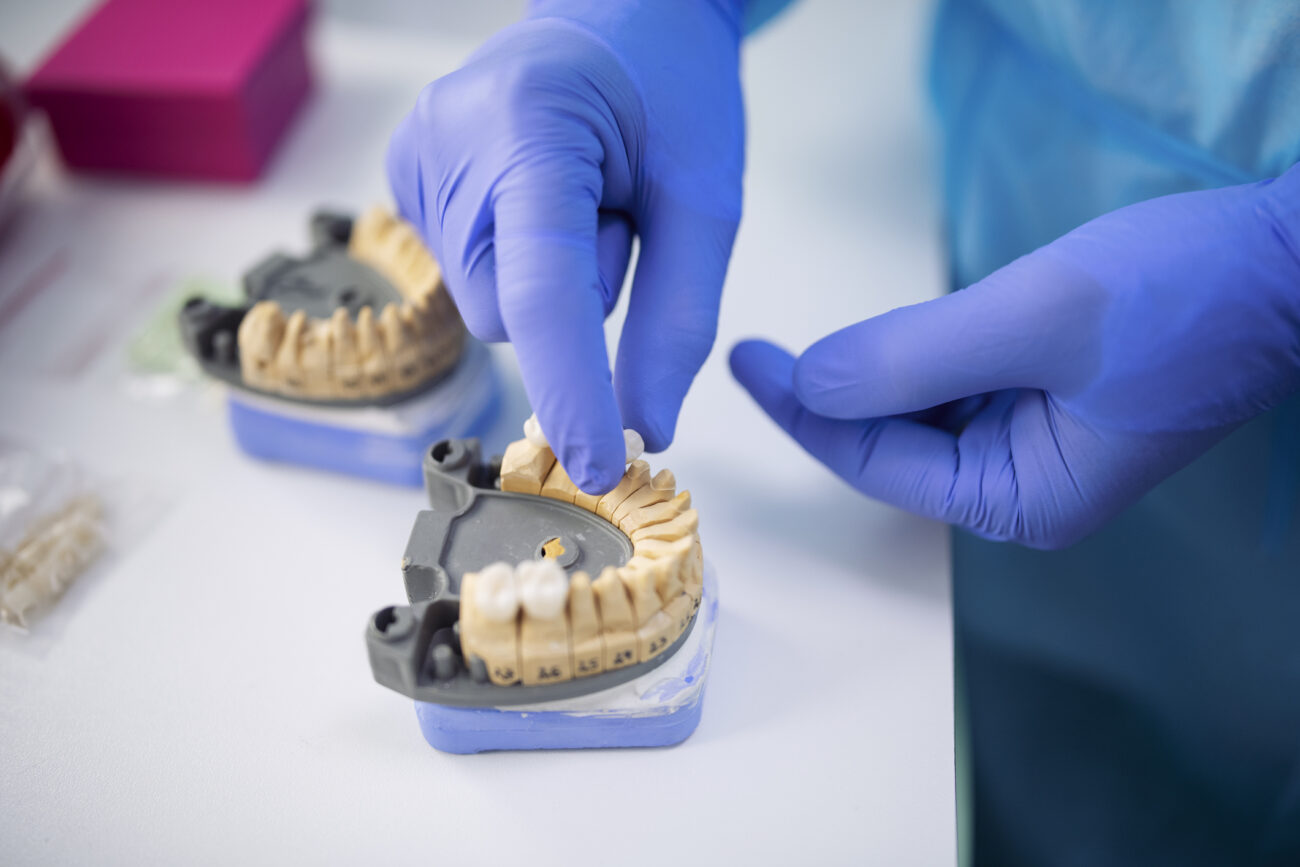
Your Dental Crown Questions Answered
Dental crowns are a common treatment, but it’s normal to have questions before you get one. We’ve put together this detailed guide to help you understand what to expect.
What is a dental crown, and why would I need one?
A dental crown is a custom-made device that fits over your entire tooth. Think of it like a strong protective helmet for a damaged tooth. You might need a crown to:
- Protect a weak tooth from breaking.
- Restore a tooth that’s already broken or severely worn down.
- Cover and support a tooth with a large filling.
- Hold a dental bridge in place.
- Cover a misshapen or severely discolored tooth.
- Complete a dental implant or cover a tooth after a root canal.
Can I eat normally with a crown?
Yes, once you’re used to it, you should be able to eat normally. Crowns restore your tooth’s function and strength. However, it’s smart to be somewhat cautious.
Avoid especially hard foods or very sticky foods on that side of your mouth. They can potentially damage the crown or pull it loose over time.
How long do dental crowns last?
With proper care, a high-quality dental crown can last between 10 and 15 years or even longer. Their lifespan depends on your oral hygiene habits, your diet, and whether you grind your teeth at night. Just like your natural teeth, crowns need to be brushed, flossed, and checked regularly by your dentist.
Do dental crowns look natural?
Absolutely. Today’s crowns, especially those made from high-quality porcelain or ceramic, blend seamlessly with your smile. We carefully shade-match the crown to the exact color of your surrounding teeth and sculpt it to match the natural shape and contours of your bite. Most people will never be able to tell you have a crown.
What’s the difference between a crown, an inlay, and an onlay?
These are all types of restorations, but they cover different amounts of your tooth:
- Inlay: Fits within the chewing cusps (bumps) of your tooth.
- Onlay: Covers one or more of the chewing cusps or the top surface of the tooth. Sometimes called a “partial crown.”
- Crown: Encases the entire visible portion of the tooth, above the gum line.
We will examine your tooth and recommend the most conservative option that will effectively restore its strength and function.
Can food get stuck under a crown?
A properly fitted and cemented crown should not allow food to get trapped underneath. The margin of the crown is sealed tightly against your tooth at the gumline. However, if a crown becomes loose, damaged, or the cement washes out, a gap can form.
If you notice food consistently getting stuck or a change in how the crown feels, contact us immediately. This can cause decay and infection under the crown.
How long does the entire crown process take?
The process typically spans two appointments over two to three weeks.
- First Visit: The dentist prepares the tooth, take a highly accurate digital scan or impression, and place a temporary crown to protect the tooth.
- Second Visit: The dentist removes the temporary crown and permanently cements your custom-made permanent crown into place. The actual placement appointment usually takes about 30 to 60 minutes.
What should I do after getting a permanent crown?
For the first 24 hours, avoid chewing on that side of your mouth. Wait until the local anesthetic completely wears off before you eat to avoid accidentally biting your cheek or tongue. For the first few days, try to avoid especially hard or sticky foods on that side. After that, you can gradually eat normally, using common sense with very hard foods.
How do I clean and care for my crown?
Care for it just like a real tooth, but with extra attention to flossing around the base.
- Brushing: Use a soft-bristled toothbrush and non-abrasive toothpaste.
- Flossing: Floss daily, carefully sliding the floss down the side of the crown and curving it into a ‘C’ shape to clean the gumline. Do not “pop” the floss back up, as this could loosen the crown over time.
- Check-ups: Regular dental cleanings and exams are essential to ensure the crown and the tooth underneath remain healthy.
Will a crown feel different than my natural tooth?
For the first few days, it may feel slightly unusual or prominent, but this feeling usually fades quickly as you adjust to it. Your bite should feel even and natural. If the crown feels high or uneven when you bite down, please let us know. This is an easy adjustment we can make at your appointment.
Is the procedure painful?
Getting a crown is not painful. We use local anesthetic to completely numb the tooth and surrounding area. You’ll feel pressure and vibration, but no pain. After the procedure, once the anesthetic wears off, you might have some mild sensitivity or soreness in the gum around the tooth for a day or two, which you can manage with over-the-counter pain relievers.
Have more questions? We’re here to help. Patient education is a key part of our practice, and we want you to feel confident and informed about your treatment. Schedule an appointment online with Dr. Morgan Chambers or call us at 859-251-3809 to discuss whether a dental crown is what you need.