
Do You Grind Your Teeth at Night?
Do you catch yourself grinding your teeth when you’re stressed? Millions of people experience bruxism, also known as teeth grinding. Patients with bruxism regularly grind or clench their teeth. Most people grind their teeth at night while they sleep. As a result, you may not realize that you have a dental problem. Instead, you may notice that you have frequent headaches, jaw pain, receding gums, and worn teeth.
Dr. Morgan Chambers practices “Complete Dentistry” and seeks to identify the underlying cause of teeth grinding to provide a more comfortable, long-term solution. Teeth grinding can damage both your teeth and gums. It can eventually lead to tooth loss. Learn more about this common issue and the teeth grinding treatment options that we offer at Complete Dentistry For All Ages.
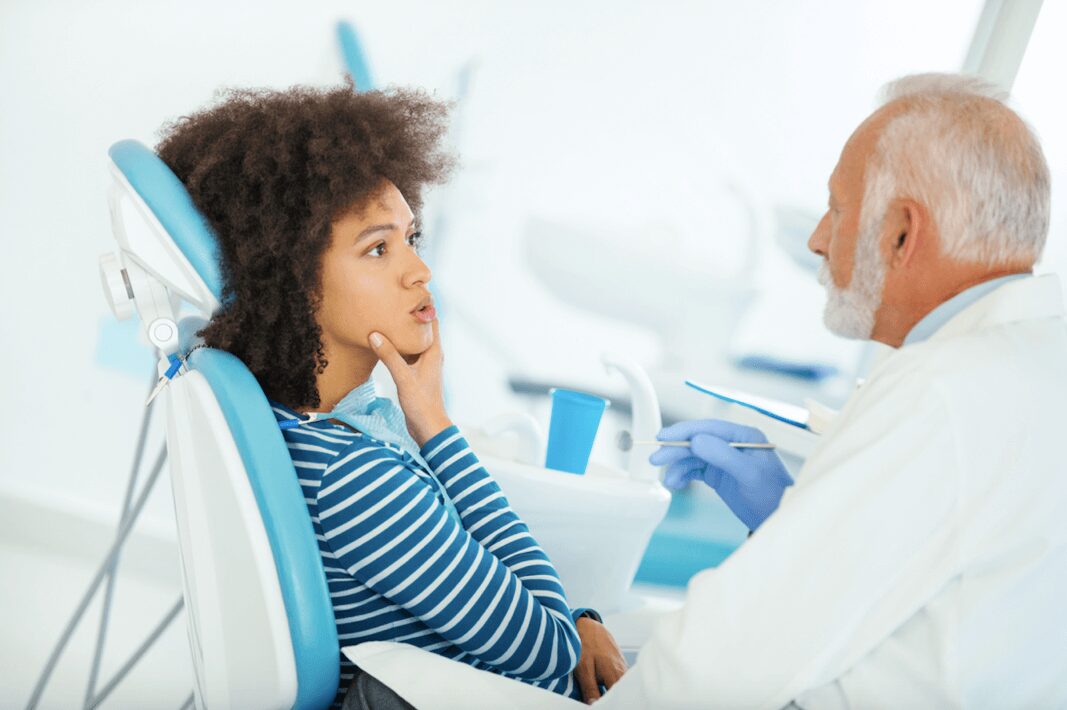
What is Bruxism?
Bruxism is a disorder involving forceful clenching, grinding, and gnashing of teeth. It usually occurs during sleep, but it can also happen while awake. This condition affects millions of people around the world and can cause serious damage to the teeth and jaw if left untreated. One major cause of bruxism is an injury to the lower jaw or face. Injuries may result from sports injuries, falls, or trauma.
Treatment options for bruxism include medications, lifestyle changes, or mouthguards to prevent further damage to the teeth and jaw. There are several common symptoms that accompany bruxism:
- Chipped teeth
- Worn teeth
- Tooth Sensitivity
- Difficulty sleeping
- Dull or abraded tooth enamel
- Jaw pain or soreness
- Broken fillings and/or crowns
- Frequent morning headaches
Teeth Grinding Treatment in Lexington, KY
Dr. Chambers will perform a thorough exam to evaluate a patient’s bite and determine the cause of teeth grinding. As with treating a temporomandibular disorder, restoring bite balance can provide lasting results and support long-term oral health. There’s no definitive treatment for bruxism, but we strive to lessen the effects. Dr. Chambers may recommend an oral appliance that you will wear only during sleep to protect your teeth from grinding and clenching.
- Mouthguard or Dental Splint. An oral appliance such as a mouthguard or dental splint can reduce stress on the jaw joint and relieve symptoms. These removable appliances are best suited for patients with a balanced bite and a healthy temporomandibular joint (TMJ).
- Bite Equilibration Therapy. Bite correction therapy addresses tooth damage and misalignment that is affecting the balance of your bite. It involves your dentist making minor adjustments to your teeth so they fit together properly, reducing stress and pressure.
- Invisalign Clear Aligners. Using Invisalign clear aligners to move your teeth into proper alignment can help correct a bad bite. Invisalign uses a series of clear aligners to move your teeth orthodontically into a better position without wires and braces. With this cosmetic dental treatment in Lexington, patients can also get a healthy bite and beautiful smile at the same time.
Video Testimonial
Treatment Options for the Effects of Teeth Grinding
Once we’ve helped you stop grinding your teeth, the next step is to address the effects it has left behind. The aftermath can seriously affect your mouth. Address worn teeth, cracked teeth, and bleeding gums as soon as possible to prevent infections and tooth loss.
Dr. Chambers can provide restorative dentistry procedures, or a total smile makeover, to bring teeth back to optimal health and esthetics. Tooth crowns are great for patients who have severely worn-down teeth. Crowns cover the top and sides of the affected tooth. This creates a new protective layer that is not noticeable.
A dental crown is a permanent restoration. If you have worn down front teeth or teeth in the smile zone, we may recommend porcelain veneers to restore your smile. Veneers are wafer-like shells we place on teeth. They will add new material to your worn teeth, reshaping them into what your teeth might have looked like before teeth grinding. Your dentist also color-matches your new veneers to match your existing teeth.
Teeth Grinding FAQs
Learn more about teeth grinding here.
What is the main reason patients grind their teeth?
Most patients who grind their teeth don’t realize they do. This is because teeth grinding is highly correlated with stress. Your body grinds its teeth to involuntarily release stress. Teeth grinding is a hard habit to break. The best way to break the habit is to identify stressors in your life and find ways to deal with or eliminate them. People may also grind their teeth due to depression, excessive caffeine consumption, or tobacco use.
What are the risks of teeth grinding?
Over time, teeth grinding can lead to various dental issues, including tooth wear, cracked or chipped teeth, gum recession, and increased tooth sensitivity. It can also cause jaw pain, headaches, and temporomandibular joint (TMJ) disorders. In severe cases, grinding can damage dental work, including fillings and crowns.
How can I tell if I have been grinding my teeth at night?
Signs of teeth grinding at night include migraines, muscle pain and tightness, and insomnia. Migraines typically occur in the morning, right after patients wake up. Muscle tightness and pain are common in the jaw and shoulders. If you have TMJ, it may be due to teeth grinding. If you notice worn-down or chipped tooth surfaces, schedule an appointment with your dentist to check for any problems.
Can a vitamin deficiency be the cause of teeth grinding?
A vitamin deficiency can cause teeth grinding. Magnesium deficiency is the most common vitamin deficiency linked to teeth grinding and jaw clenching. Low vitamin D and C levels are also linked to sleep disorders and nighttime teeth grinding. A magnesium supplement is one of the best ways to prevent teeth grinding. Magnesium supplements are available in pill and liquid forms, so it should be easy to find one that best suits your needs.
Can teeth recover from grinding?
Teeth grinding damages the surface and enamel of teeth. It can also lead to misaligned bites due to pressure from clenching and grinding. You can not reverse damage from grinding; however, we can repair the tooth or teeth using restorative dental services. Patients may also wear a mouthguard at night to protect their teeth from further damage.
Is it possible to stop teeth grinding permanently?
With the right treatment and lifestyle changes, many people can significantly reduce or even stop teeth grinding. Techniques like stress management, wearing a night guard, and addressing underlying dental issues can make a lasting difference. However, if grinding is related to a chronic condition like TMJ or a sleep disorder, ongoing management may be necessary.
Schedule a Dental Exam & Consultation Today
Dr. Chambers is an experienced dentist in Lexington, KY, at Complete Dentistry For All Ages. We perform many tooth restorations after addressing our patients’ bruxism. Call us at 859-251-3809 or schedule an appointment online today.