
Preventive dental care is vital to your oral health, as it enables our dentist and his staff to detect problems early. Our professional dental cleaning goes beyond what your toothbrush can do. We help remove plaque from those hard-to-reach spots and ensure that your teeth are clean and healthy along the gum line.
If you want to protect yourself against tooth decay, gum disease, or other oral diseases, then contact Complete Dentistry for All Ages for an appointment today! Continue reading to see why Dr. Morgan Chambers emphasizes the dental and physical health benefits associated with maintaining a clean and healthy smile.
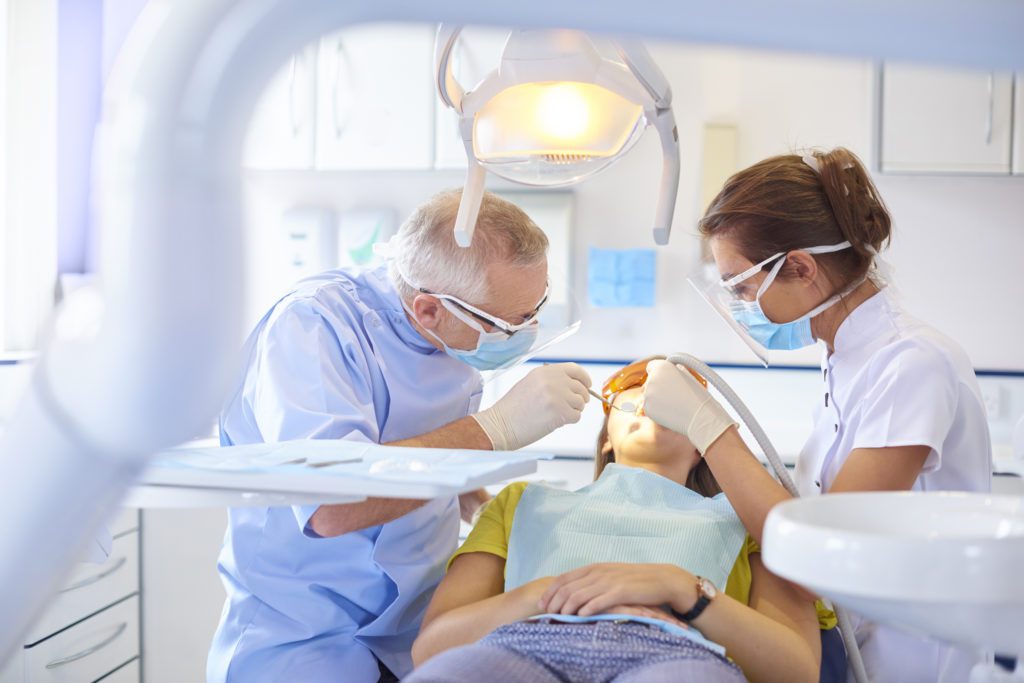
Preventive Dental Care in Lexington, Kentucky
The last thing you want is to be surprised by a dental emergency straight out of the blue. Early detection is key to preventing such emergencies, so preventive dental care should be an important part of your routine because dental issues can affect anyone at any age.
Some common dental disorders include periodontal diseases, cavities, oral cancer, and toothaches. Each of these concerns can be extremely painful and may need emergency treatment. It’s important to get routine dental cleanings so that you don’t have any problems with your teeth. Additionally, talk to your dentist about any issues you may have during your regular checkups. Preventing issues before they happen is the best way to deal with them when they do happen.
During a routine preventive care visit with Dr. Chambers in her Lexington dental office, our patients can expect a thorough exam and an opportunity to discuss their personal concerns. A routine exam in our dental office can include the following:
- Professional dental cleaning
- Dental x-rays
- Periodontal screening
- Dental caries (cavities) screening
- Occlusal analysis to examine the position of the bite
Teeth Cleaning FAQs
One of the most frequent medical complaints heard by dentists is a bad toothache. Most people tend to ignore their teeth until they get toothaches, then seek professional help.
However, you can easily prevent many dental problems. Even if your teeth are healthy, you should still brush and check your teeth periodically. Doing so will help prevent any problems from developing and help keep your smile healthy and beautiful. Read on to learn about how regular and deep dental cleanings can help prevent severe issues.
How long does a dental cleaning take?
Typically, a dental cleaning can take between twenty minutes and an hour. Patients should be aware of check-in and wait times, so they should expect to spend at least an hour at the dentist for a dental exam and cleaning. This will ensure they have time in their schedule for the full appointment.
Is there a difference between deep cleaning and regular cleaning?
There is a difference between a deep cleaning and a regular cleaning. Regular cleaning is a topical cleaning. During a routine cleaning, your dental hygienist cleans and polishes the surfaces of your teeth. Patients leave the dentist feeling like their teeth are whiter and shinier. A deep cleaning is a more involved process in which a dental hygienist removes bacteria from the surfaces of your teeth and beneath your gums.
Does a deep cleaning require anesthesia?
In most deep dental cleaning cases, we’ll use an anesthetic to numb the patients’ mouths and keep them comfortable throughout their appointments. During a deep dental cleaning, your dentist cleans beneath the gums and around your mouth, scrubbing the surfaces to remove bacteria.
This can be uncomfortable for patients, which is why an anesthetic is beneficial to diminish any pain during the procedure.
Is a deep dental cleaning painful?
A deep dental cleaning can be uncomfortable and sometimes slightly painful. In most cases, dentists use an anesthetic to numb your mouth and gums, reducing pain during the cleaning process. After a deep-cleaning appointment and once the anesthetic wears off, patients may report some tenderness in their gums. However, it should go away within a few days.
How long does it take for gums to heal after deep cleaning?
It typically takes about a week for gums to fully heal after a deep dental cleaning. This is because a deep cleaning requires a dentist to clean beneath your gums, which can irritate them and cause inflammation. Typically, after 5-7 days, patients’ gums are back to normal, and any swelling has subsided.
What should I do after a dental cleaning?
Try not to eat or drink anything for at least 30 minutes after your cleaning, especially if your teeth were polished. This helps the fluoride treatment work better. Staying hydrated is important, so drink plenty of water. It helps rinse away any food particles and keeps your mouth fresh.
Continue brushing your teeth twice a day and flossing daily. This helps keep your teeth clean between cleanings. Your teeth might feel a little sensitive after the cleaning. If you notice any pain, it should go away quickly. If it doesn’t, let our dentist know.
How does a dental cleaning help prevent cavities?
A dental cleaning helps prevent cavities by removing plaque and tartar from your teeth. Plaque is a sticky film of bacteria that forms on your teeth after you eat or drink. If it’s not cleaned off, it can turn into tartar, which is harder to remove and can cause cavities.
During a dental cleaning, the dentist or hygienist uses special tools to scrape away the plaque and tartar that regular brushing and flossing can’t reach. By keeping your teeth clean and free of plaque, you reduce your risk of cavities.
Regular cleanings also allow your dentist to check for early signs of cavities so they can be treated before they worsen.
What happens if I skip a dental cleaning?
If you skip a dental cleaning, plaque and tartar can build up on your teeth. Plaque is a sticky layer of bacteria, and if it’s not removed, it hardens into tartar, which is tough to clean off at home. This buildup can cause cavities, gum disease, and bad breath.
Skipping cleanings also means your dentist can’t catch early signs of dental problems, such as tooth decay or gum disease. Without regular cleanings, these problems can worsen and may require more serious treatments, such as fillings, root canals, or even tooth extractions.
The Secret To Getting Your Child To Floss Daily
It’s a fact of life for parents, kids emulate what they do. You teach your child not to talk to strangers, to wash his or her hands, and even how to lock the door at night. You explain to them the danger of not taking precautions, but they do these things because they know you do them.
Dental care is no different. Children will brush and floss regularly because the adults in the house do it. The key is to approach the subject as a family. Discuss what happens when you don’t take care of your teeth. Most will readily accept brushing because they feel an immediate change when their teeth are clean. Flossing takes more work.
It Starts in the Dental Office
You have to learn how to floss properly, and who better to ask for instructions than your dentist! Flossing helps remove food and other debris from between the teeth, but there is a technique to it. If you do it incorrectly, you may cut into the gums, causing pain. This negative reinforcement makes a child hesitant to floss, so learn the right way from the professionals. Once done correctly, it’ll become a natural extension of a child’s dental routine.
Make It a Family Affair
When kids are young, they enjoy mimicking their role models. Practice flossing together as a family when your children are young. As they grow older, they’ll appreciate privacy more, but the habit you help them form will stay with them. Providing a good example each day will matter, but only if they see what you’re doing.
Use a Game Timer
Kids are naturally competitive. You can make a game out of flossing by timing the process. The goal is not to finish early, but to stay the distance. Anyone still flossing their teeth when the buzzer sounds wins. You might give them points for each day they make it to the finish line and offer prizes at the end of the week, such as a few extra dollars with allowance or a chance to pick the movie.
Put It to Music
For younger children, try playing their favorite song when they floss. Audio is a better choice than playing a video, because it’s less distracting. You want the child to concentrate on the cleaning ritual, just make sure the song is long enough for them to do an effective job. Explain that they should keep flossing the way the dentist showed them until the music stops.
Floss Early in the Evening
Sleepy kids won’t do a good job flossing or brushing, for that matter. Make oral hygiene part of an early-evening routine, for example, after they have a snack. No one knows your child better than you, so pick a time when he or she is alert and won’t be eating or drinking anything other than water for the rest of the night.
Put Them in Control
Floss comes in many different styles. Let your children help find the right one for them. The American Dental Society points out it really doesn’t matter what kind of floss a person uses. The market is full of distinctive types, such as waxed, unwaxed, flat, wide, and flavored. Give your kids a chance to experiment with each kind. That’ll instill a sense of control while letting them have some fun finding the right one.
Tell the Story of Good and Evil
Kids love a fairytale. Make flossing into an adventure where bacteria are the bad guys and floss the sword. Your champion grabs the sword for an epic battle with every floss session. Make it creative and inspiring enough to make your child want to floss just to hear the story again. Pretty soon, they will be telling it to themselves each time they floss. Battling evil is a great incentive.
Flossing doesn’t have to be a mundane task. The more meaning you make it, the more interesting it’ll be for your child. Ask your dentist for suggestions on how to make flossing fun for kids.
Why Choose Complete Dentistry for All Ages?
Dr. Chambers doesn’t just work in Lexington; she grew up here. Her commitment to caring for those around her extends beyond the office walls, through her volunteer work with local organizations such as Mission Lexington and Rosa Parks Elementary. When you choose our practice, you’re choosing a team that’s deeply invested in the well-being of our community.
We understand that your family’s health is your top priority. Let it be ours, too. From simple check-ups to complex treatment plans, we fuse the best in technology and techniques with a compassionate heart.
Schedule an appointment online for your family today or call 859-251-3809 and experience the difference. Welcoming patients from Nicholasville, Wilmore, Keene, Brannon Woods, and all of Jessamine County.