
You have been told you have a cavity, and now you face a decision. Your dentist may have mentioned two main options for filling it: tooth-colored composite or traditional silver amalgam. Both will fix the cavity, but the choice impacts your smile, your budget, and potentially your long-term oral health.
According to the American Dental Association, dental fillings are among the most common restorative treatments. Understanding the differences among materials is the first step toward making an informed choice.
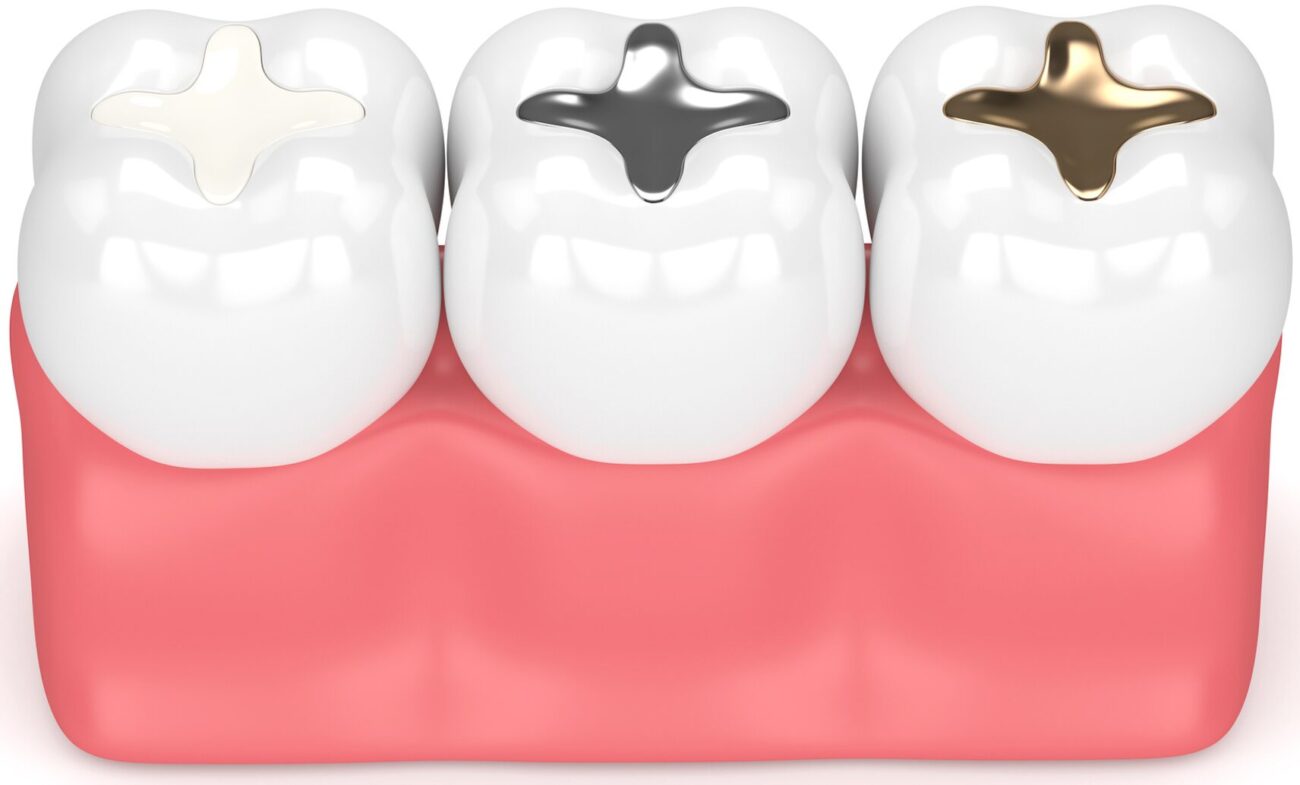
What Is a Dental Filling?
A filling is a restorative treatment that repairs a tooth damaged by decay. The process is straightforward. Your dentist removes the decayed portion of the tooth, cleans the affected area, and fills the space with a durable material. This restores the tooth’s shape, function, and strength while minimizing discomfort or sensitivity.
Amalgam Fillings: The Traditional Workhorse
Amalgam fillings, sometimes called “silver fillings,” have been used in dentistry for over a century. They are known for their incredible strength and durability.
Composition and Uses
Amalgam is a mixture of metals, including silver, tin, copper, and zinc, bound together by nearly 50% mercury. This combination creates a very strong material ideal for back teeth where chewing forces are greatest.
The Pros of Amalgam
- Superior Strength and Longevity: Amalgam fillings are exceptionally durable, typically lasting at least 10 years and often much longer. They can withstand the heavy forces of chewing.
- Cost-Effective: They are generally the least expensive filling materials.
- Quick Placement: The placement of an amalgam filling is a fast procedure, often completed in one visit.
- Moisture Tolerant: They are less sensitive to moisture during the filling process than composite resin, making them easier to place in certain situations.
The Cons of Amalgam
- Aesthetics: The metallic color makes them highly noticeable, especially on front teeth.
- Corrosion and Discoloration: Over time, amalgam fillings can corrode or tarnish. This causes a dark, grayish discoloration at the interface between the filling and the tooth.
- Mercury Content: While major health organizations such as the FDA and IADR affirm the safety of amalgam for the general population, some patients are concerned about the mercury content and the very low potential for mercury vapor release. The FDA recommends that certain high-risk populations, including children under six, pregnant women, and people with kidney or neurological conditions, avoid amalgam when possible.
- Potential for Tooth Fracture: Amalgam can expand and contract with temperature changes, which leads to cracks in the surrounding tooth structure.
- More Tooth Removal Required: Because amalgam doesn’t bond directly to the tooth, your dentist must create undercuts or ledges in the tooth to hold it in place. This often means removing more of your natural tooth structure.
Composite Resin Fillings: The Modern, Natural Choice
Composite fillings are made from a mixture of plastic and fine glass particles, creating a material that can be closely matched to the color of your teeth. They are often the preferred choice for visible teeth.
Composition and Uses
The composite resin material is a blend of glass or quartz particles, resin, and a bonding agent. This composition gives the filling strength, durability, and the ability to bond firmly to the tooth structure. It is used for a wide range of cavities, especially in front teeth or the visible parts of the back teeth.
The Pros of Composite
- Natural Aesthetics: This is the most significant advantage. The filling can be color-matched to your tooth, making it virtually invisible. This is ideal for maintaining a natural smile.
- Bonds to the Tooth: Composite resin bonds directly to the tooth structure, strengthening the remaining tooth and reducing the risk of breakage. This is a significant functional advantage over amalgam.
- Preserves More Tooth Structure: Because the material bonds to the tooth, less drilling is required to secure the filling, preserving more of your healthy natural tooth.
- Versatility: It can be used for various repairs beyond cavities, including fixing chips, cracks, and gaps between teeth.
- Reduced Sensitivity: Composite does not conduct heat and cold like metal, which can reduce the temperature sensitivity some patients experience with amalgam.
The Cons of Composite
- Lower Durability: While composite fillings have improved significantly, they are generally less durable than amalgam and may need to be replaced sooner. They typically last 5 to 7 years.
- Higher Cost: Composite fillings are more expensive than amalgam fillings due to the more complex materials and the increased time required for placement.
- Technique-Sensitive Placement: Placing composite requires a dry environment and is applied in thin layers that are hardened with a special light. The process is more time-consuming.
- Potential for Shrinkage: In some cases, the composite can shrink slightly upon placement. This may create gaps between the filling and the tooth.
Which Filling Is Right for You?
The best choice for you depends on several factors, including the cavity’s size and location, your budget, and your aesthetic goals.
- For Back Teeth: A tooth-colored filling can work well for small to mid-sized cavities. However, for larger cavities or teeth that endure significant chewing pressure, many dentists may still consider amalgam to be the best restorative option.
- For Front Teeth: Composite is almost always the preferred choice for aesthetic reasons, as it blends seamlessly with your natural teeth.
- Budget: If cost is the primary concern, amalgam is the most affordable option. However, the modern aesthetics and tooth-preserving nature of composite make it the most popular choice for many patients.
The Complete Dentistry Approach
At Complete Dentistry For All Ages, Dr. Morgan Chambers practices “complete dentistry,” meaning she evaluates your overall oral health before making any recommendation. Her philosophy is simple: she only recommends treatments she would choose for herself or her family.
This means she will not just fix your cavity. She will take a step back, evaluate your bite, your jaw function, and your long-term goals to determine which filling is best for you. Dr. Chambers is a highly credentialed dentist, which includes advanced implant certification and Invisalign provider status, demonstrating her commitment to comprehensive, high-quality care.
Frequently Asked Questions
Will a dental filling hurt?
No. Your dentist in Lexington will use a local anesthetic to numb the area before treatment. You may feel pressure, but you should not feel pain. Any mild sensitivity afterward usually goes away within a few days.
Are silver fillings (amalgam) safe?
The FDA and other major health organizations affirm that amalgam fillings are safe for the general population. The amount of mercury released is very low and has not been linked to adverse health effects in studies. However, the FDA recommends avoiding amalgam for certain groups like children under six, pregnant women, and people with specific health conditions.
How long does it take to get a filling?
Most fillings are completed in one visit. The process typically involves numbing the area, removing the decay, and placing the filling. A composite filling may take a little longer than an amalgam due to the layering process.
Which filling lasts longer?
Amalgam fillings are known for their superior longevity and can last 10 years or more. Composite fillings, while much improved, typically last 5 to 7 years. The longevity of both materials can depend on the size of the filling and a patient’s oral hygiene habits.
Can I replace my old silver fillings with tooth-colored ones?
Yes. Many patients choose to replace old amalgam fillings with composite for aesthetic reasons. However, the FDA recommends not removing amalgam fillings that are in good condition, as the removal process can release more mercury vapor than keeping them in place
Schedule Your Consultation Today
If you are experiencing a cavity or need to replace an old filling, don’t delay. Early treatment with a dental filling in Lexington can prevent more complex, expensive problems like root canals or extractions.
Call Complete Dentistry For All Ages at 859-251-3809 or request an appointment online. Visit us at 2353 Alexandria Dr #300, Lexington, KY 40504. We proudly serve patients from Nicholasville, Versailles, Georgetown, and communities throughout the Bluegrass region.