
You’re sitting in the dental chair and have finally worked up the courage to ask about dental implants in Lexington. You’re ready to replace that missing tooth, and you’re excited to eat normally again. Then you hear the words: “You don’t have enough bone for an implant.”
It feels like a door slamming shut. Maybe you’ve been missing that tooth for years, or you had gum disease that caused bone loss. Maybe you were just born with a thinner jawbone. Whatever the reason, that one sentence can make you feel like implants aren’t for you.
That’s not the end of the story. It’s just the beginning of a different conversation.
At Complete Dentistry For All Ages in Lexington, KY, Dr. Morgan Chambers helps patients find solutions when other dentists say no. She holds an Implant Certification from Alabama Implant Education. She also practices complete dentistry, which means she looks at the whole picture, not just the missing tooth.
Let’s talk about what “not enough bone” actually means and what your options are.
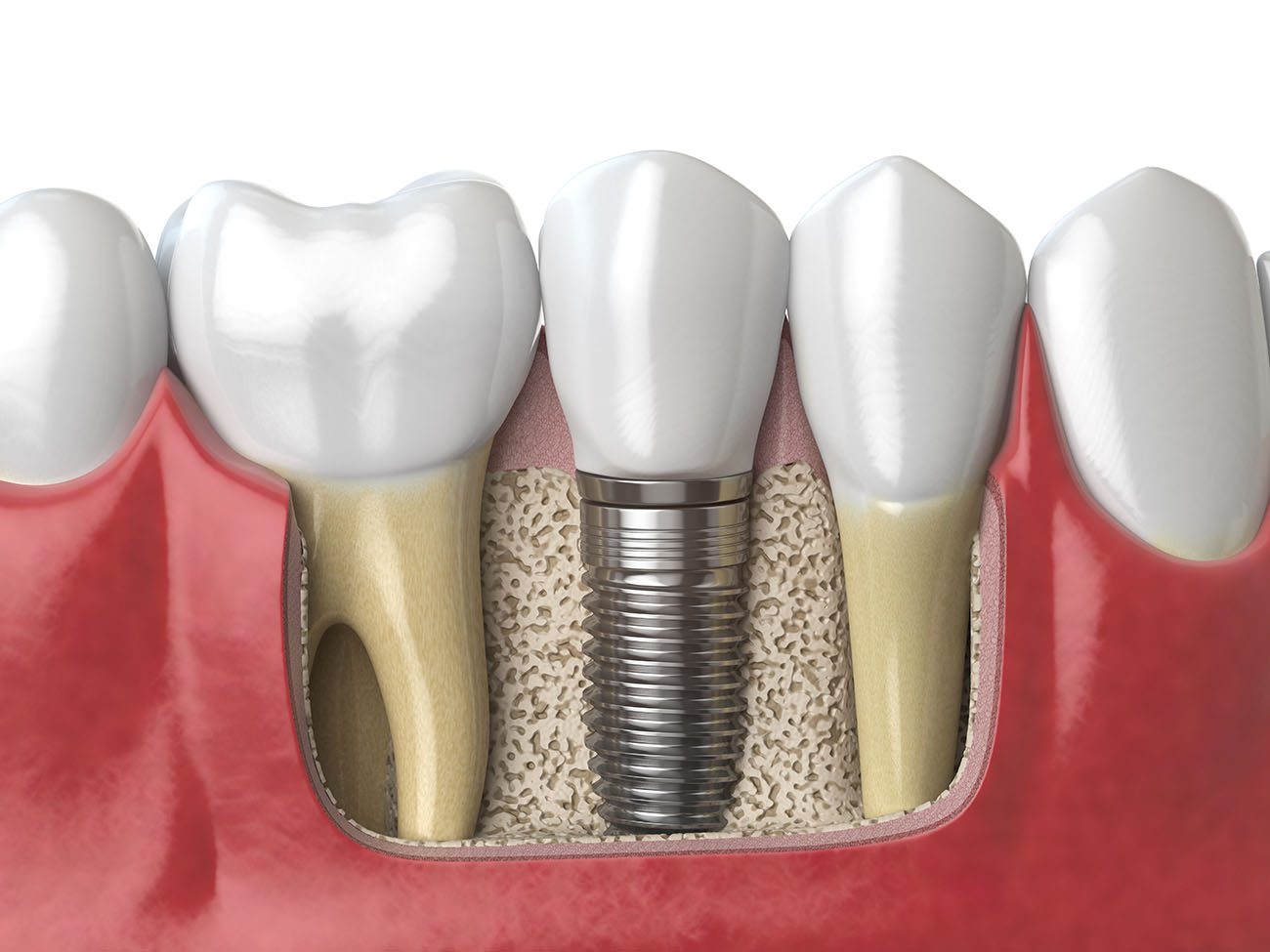
Why Bone Loss Happens
First, understand why this happens. Your jawbone needs stimulation to stay strong. Your tooth roots provide that stimulation. When you bite and chew, forces travel through your teeth and into your jaw. This tells your body to maintain the bone.
When you lose a tooth, that stimulation stops. The bone in that area no longer receives the signals it needs. Your body starts breaking down the bone through a process called resorption.
Bone loss can begin within the first year after tooth loss. It continues gradually over time. Research shows that 29% to 63% of horizontal bone loss and 11% to 22% of vertical bone loss can occur in the first six months if you do nothing.
Gum disease can also cause bone loss. Trauma, infections, and certain medical conditions can too. Sometimes it’s just genetics. Some people have naturally thinner jawbones.
The point is that bone loss is common. It doesn’t mean you can’t get implants. It means you need a dentist who knows how to work with what you have.
What “Not Enough Bone” Actually Means
When a dentist says you don’t have enough bone, they mean there isn’t enough bone density or volume to support a standard implant. The implant needs enough bone to fuse with. Without that foundation, the implant could fail.
But “not enough” is relative. It depends on the implant type, location, and the dentist’s skill. A dentist with advanced training can find solutions that others miss.
Dr. Chambers has that training. Her Implant Certification from Alabama Implant Education gave her advanced implant-placement skills. Her complete dentistry approach means she evaluates your entire jaw and bite, not just the space where the tooth is missing.
Your Options When Bone Is Limited
If you’ve been told you don’t have enough bone, here are the options Dr. Chambers will discuss with you.
Bone Grafting
Bone grafting is the most common solution. It involves adding bone material to your jaw to build up the area. This creates a strong foundation for an implant.
The bone material can come from several sources. Sometimes it’s taken from another part of your jaw. Sometimes it’s from a donor. Sometimes it’s synthetic. The choice depends on your situation.
After grafting, the area needs time to heal. That usually takes four to six months. Then Dr. Chambers can place the implant.
Bone grafting sounds intimidating, but it’s routine. Most patients tolerate it well. It can also make implants possible when they otherwise wouldn’t be.
Mini Implants
Mini implants are smaller in diameter than standard implants. They can be placed in areas with thin bone. They’re often used to stabilize dentures.
However, mini implants have limitations. They’re not as strong as standard implants. They’re generally not recommended for back teeth where chewing forces are highest. Dr. Chambers will tell you honestly whether mini implants are right for your situation.
Zygomatic Implants
Zygomatic implants are a more advanced solution. Instead of anchoring in the jawbone, they anchor in the cheekbone. This is for patients with severe bone loss in the upper jaw.
Not all dentists offer zygomatic implants. They require advanced training and experience. Dr. Chambers can discuss whether this option might be right for you.
All-on-4 or All-on-X
For patients missing all or most teeth, All-on-4 uses just four implants to support a full arch of teeth. The implants are placed at strategic angles to maximize contact with existing bone. This eliminates the need for bone grafting.
If you’ve been told you’re not a candidate for traditional implants, All-on-4 might be an option.
Alternative Tooth Replacement
Sometimes implants truly aren’t possible. In those cases, Dr. Chambers will discuss alternatives. Dental bridges and dentures can restore function and appearance. They may not offer the same benefits as implants, but they can still improve your quality of life.
Why the Complete Dentistry Approach Matters
Dr. Chambers evaluates your entire occlusal system. That includes your bite, your jaw joints, and the surrounding muscles.
This matters because implant success depends on more than just bone. If your bite is off, or if you grind your teeth, the implant could fail even with adequate bone. Dr. Chambers identifies these issues and addresses them before placing implants.
Her philosophy is simple. Before she recommends a treatment plan, she asks, “Would I do it on me?”
That means she won’t suggest a bone graft if it won’t help. She won’t place an implant if it’s likely to fail. She’ll give you honest advice about what’s possible and what’s not.
What to Expect at Your Consultation
If you’ve been told you don’t have enough bone, schedule a consultation with Dr. Chambers. Here’s what will happen.
- Comprehensive Exam: Dr. Chambers will examine your teeth, gums, and jaw. She’ll take digital X-rays and possibly a CBCT scan to see your bone structure in detail.
- Honest Discussion: She’ll explain what she sees and your options. She’ll answer your questions and address your concerns without judgment.
- Personalized Treatment Plan: If implants are possible, she’ll create a plan. That might include bone grafting, a different type of implant, or a different approach altogether. She’ll explain the timeline, the costs, and what to expect.
- Clear Next Steps: You’ll know exactly what to do next. Whether that’s scheduling a bone graft, getting a second opinion, or exploring alternative treatments.
Don’t Give Up on Implants
Being told you don’t have enough bone is not the end. It’s a challenge, not a dead end. With the right dentist and the right approach, implants are still possible.
Dr. Morgan Chambers has the training and experience to help. Call Complete Dentistry For All Ages at 859-251-3809 to schedule your consultation, or request an appointment online.
You deserve a second opinion. You deserve a solution. Let us help you find it.