If you clench your jaw or grind your teeth at night, you already know it causes problems. You might wake up with a sore jaw, headaches that start at the temples and wrap around, or teeth that feel sensitive or look worn. Maybe your dentist told you that you’re grinding your teeth and to wear a night guard.
Here’s the part that doesn’t get talked about enough. If you also want cosmetic work, like veneers or bonding, the grinding issue matters a lot.
New porcelain veneers are strong, but they’re not indestructible. If you’re putting 200 pounds of force on them every night while you sleep, they can chip, crack, or debond. That’s a cosmetic investment that fails because it doesn’t address the underlying function.
This is where Botox comes in. Dr. Morgan Chambers is a Botox Cosmetic certified dentist in Lexington, KY, and she uses Botox both cosmetically and therapeutically. For patients who clench and grind, this combination can protect cosmetic work while improving comfort.
Here’s how it works, and why it matters for anyone considering a smile makeover.
What Botox Does for Clenching and Grinding
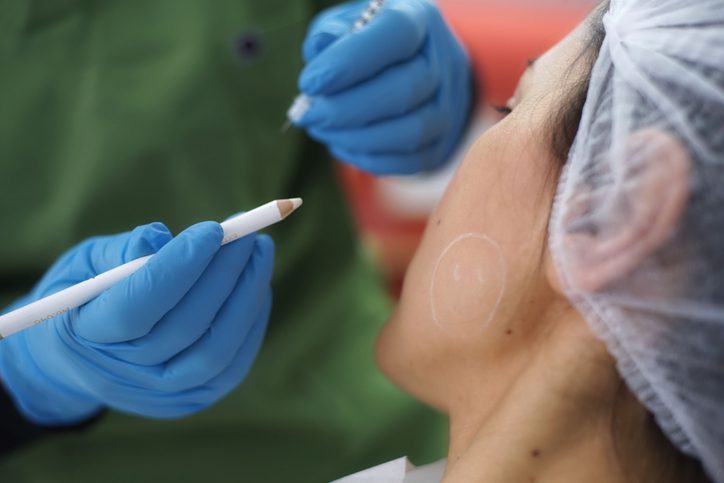
Botox is a neurotoxin that temporarily relaxes specific muscles. When injected into the muscles that control jaw clenching (the masseters), it relaxes them. The result is less clenching force, less tension, and less tooth wear.
This isn’t cosmetic Botox; it’s therapeutic. The goal is to reduce the force your jaw muscles are applying to your teeth and jaw joint.
Patients who get Botox for clenching typically report:
- Less jaw soreness in the morning
- Fewer tension headaches
- Less facial pain
- A feeling that the jaw is more relaxed
The effect isn’t permanent. It typically lasts three to four months, and then you need to repeat the treatment. But for patients with chronic clenching, it can meaningfully improve daily comfort.
Why This Matters for Cosmetic Work
Here’s how it connects to cosmetic dentistry in Lexington. If you’re planning veneers, bonding, or a smile makeover, the long-term success of that work depends on what’s happening with your bite and your jaw muscles. If you’re a grinder, that new porcelain or bonding will take that force every night.
Cosmetic dentistry can address worn-down teeth. It can restore the length and shape of teeth flattened by grinding, but if the grinding continues, the new restorations will eventually wear down too. They may not fail immediately, but they will have a shorter lifespan.
Botox reduces the force. That gives the cosmetic work a better chance of lasting.
Dr. Chambers’s complete-dentistry approach is directly relevant here. She’s evaluating the whole occlusal system (the bite, the jaw joints, and the muscles). If she sees signs of clenching or grinding, she’ll address it as part of the plan, not as a separate issue.
The Cosmetic Use of Botox
Botox also has a purely cosmetic use, and Dr. Chambers offers that too. Botox injections can smooth forehead lines, crow’s feet, and frown lines between the brows. For patients who want a more youthful appearance alongside a smile makeover, Botox can complement cosmetic dental work.
The combination is more common than you’d think. A patient who’s investing in veneers or whitening often wants the rest of their face to match. Botox can address the lines and wrinkles that develop over time, while the dental work addresses the smile itself.
Because Dr. Chambers is trained in facial anatomy, she’s well positioned to provide both. Dentists understand the muscles of the face and jaw better than almost anyone, and that knowledge informs both the therapeutic and cosmetic uses of Botox.
What the Consultation Looks Like
If you’re considering cosmetic work and you clench or grind, here’s what a consultation at our Lexington office covers:
The Exam: Dr. Chambers evaluates your teeth, bite, jaw joints, and facial muscles. She’s looking for signs of grinding (worn edges, flattened teeth, small fractures) and clenching (jaw tenderness, muscle hypertrophy). She’ll ask about morning jaw soreness, headaches, and whether anyone has told you that you grind.
The Cosmetic Goals: She’ll talk with you about what you want to change about your smile. Digital imaging can show you a preview of the potential result.
The Plan: Based on the exam and your goals, she’ll recommend a treatment plan. If grinding is a major factor, the plan might include Botox, a night guard, or both, along with the cosmetic work. If the grinding is mild, a night guard alone might be enough.
The Timeline: Some treatments can happen in sequence, like Botox first to reduce force, then cosmetic work. Others can happen together. Dr. Chambers will explain the sequence and why.
What to Ask Before You Commit
If you’re considering Botox as part of a cosmetic plan, ask these questions:
- Is the Botox for cosmetic purposes, therapeutic purposes, or both? The answer affects dosing, injection sites, and what you can expect.
- How long will the effect last? Typically three to four months. That’s a recurring commitment.
- What happens if I don’t do Botox? For some patients, a night guard is enough. For others, the grinding is significant enough that protecting cosmetic work requires more.
- How does this fit into the overall treatment plan? The sequence matters. Botox before cosmetic work can reduce the force on new restorations from day one.
- Are there alternatives? A night guard, bite adjustment, or stress management techniques can all help with grinding. Dr. Chambers will discuss all of them.
Why This Matters in Lexington
If you’re in Lexington or Central Kentucky and have been told you grind your teeth, you may wonder whether cosmetic work is even worth it. The answer is yes, if you include grinding in the plan.
Dr. Chambers is Botox Cosmetic certified and uses Botox both cosmetically and therapeutically. She’s also a member of the American Academy of Cosmetic Dentistry, an Invisalign Preferred Provider, and holds an Implant Certification from Alabama Implant Education. She grew up in Lexington and graduated with honors from the University of Kentucky College of Dentistry.
Our office is at 2353 Alexandria Dr, Suite 300, in the Cygnus building near Harrodsburg Road and New Circle Road. We serve patients from Chevy Chase, Beaumont, Hartland, Palomar, Lansdowne, Masterson Station, Andover, Hamburg, Nicholasville, Versailles, Georgetown, and throughout Central Kentucky.
Call us at 859-251-3809 or request an appointment online. We’ll evaluate your bite, discuss your cosmetic goals, and explain how Botox fits into the plan, if it’s the right choice for you. Lasting cosmetic results start with healthy function. Botox is one tool that helps you get there.