
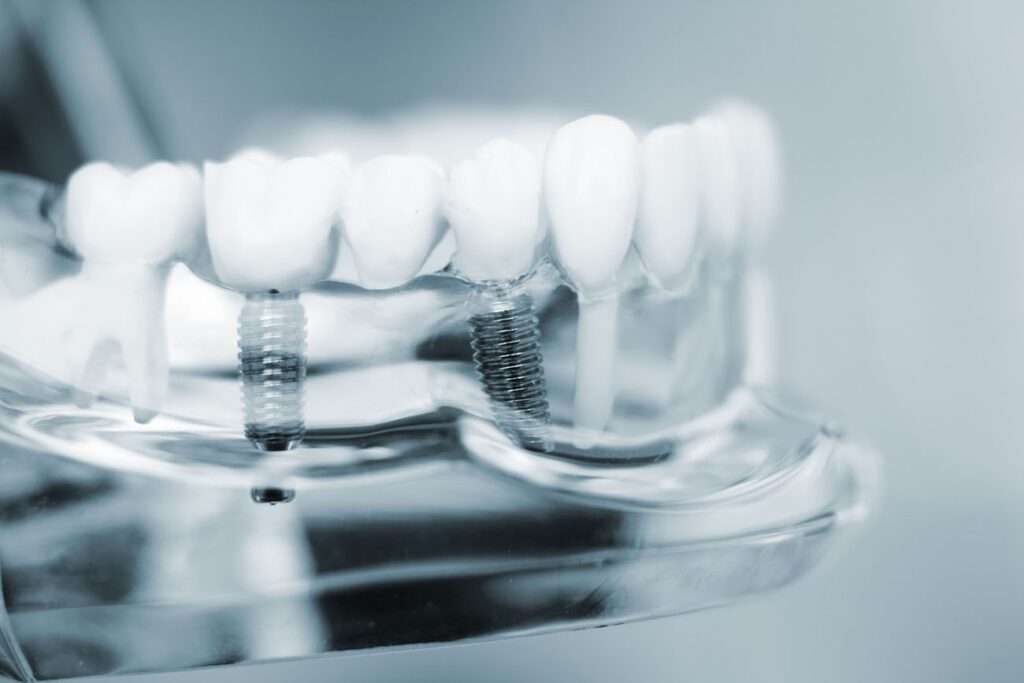
If you’re missing teeth, you have many restoration options. Dental implants in Lexington, KY, are one of the most popular treatments for patients with missing teeth. Single dental implants can help restore your bite if you’re missing one tooth. Multiple implants help support bridges and dentures for improved stability if you’re missing many teeth.
However, not everyone with tooth loss can start treatment right away. Before surgery, your dentist will check your bite to see whether you need any pre-treatment first.
Before Getting Dental Implants in Lexington, KY
When you lose a tooth, you’ll want to start the restoration process as soon as possible. The longer you wait, the more damage your mouth could sustain. Missing teeth can cause tooth shifting, gum disease, and even facial sagging.
While dental implants are the most popular treatment, patients need a healthy mouth to help ensure successful treatment. Your dentist will examine the site of tooth loss and take X-rays to check that you’re ready for surgical placement. If not, you may need additional treatment beforehand.
Bone Grafting
The most common pretreatment a patient may need before getting an implant is bone grafting. Teeth have root structures that connect to your jawbone. When those roots are gone, it’s natural for the jawbone to lose a bit of density.
If you don’t have enough jawbone density, it can be hard for the implant post to properly integrate into the jaw. This can cause pain and discomfort during treatment and may even result in the implant failing. A successful bone grafting procedure restores bone density and improves the chances of proper implant integration.
Periodontal Therapy
Cleaning around a missing tooth can be difficult. Many patients who lose a tooth find it hard to brush and floss properly. Unfortunately, this can cause plaque and tartar to build up around the gum line. Over time, harmful bacteria can cause infection. Patients who have gum disease are more likely to experience difficulty when getting an implant.
Gum disease not only causes more pain and discomfort during healing, but the infection itself can also affect the implant post. If you have gum disease, your dentist will recommend periodontal therapy first. They will thoroughly clean your gums and ensure they’re strong and healthy before surgery.
Medical Clearance
Because getting an implant is an invasive procedure that includes surgery, your dentist will likely need to coordinate with your doctor to ensure youare cleared for treatment. Many patients can get an implant without any concerns. Others may need to start on an antibiotic regimen before and during surgery. If you are not medically cleared for surgery, your dentist can recommend other treatment options to restore your teeth.
Understanding the Healing Timeline for Pretreatment
Getting dental implants often takes time, especially if you need treatments to prepare your mouth first. Bone grafts, which help build up weak jawbones, usually need 3-6 months to heal properly before you can get implants.
If you have gum disease, you might need several appointments over a few weeks to get it under control. Your dentist will check how you’re healing with follow-up visits and imaging. While waiting can feel frustrating, this step helps ensure your implants last for years to come.
Other Choices When Pretreatments Won’t Work
Some people can’t have the usual pre-treatments because of severe bone loss or health issues. In these cases, your dentist might suggest different options. Mini implants are smaller and sometimes work when regular bone grafts aren’t possible.
Soft-lined dentures can be a temporary solution while your mouth heals enough for future implants. For those who can’t have surgery, special bridges might be the answer. Your dental team will explain all your choices based on what’s best for your situation.
Keeping Your Mouth Clean Before Implants
Taking extra good care of your mouth is super important when preparing for implants. Your dentist might give you special small brushes to clean around bone graft areas and special mouthwash to fight germs. If you smoke, try to quit because it makes healing much slower and can cause problems with your treatment. Your dental team will give you personalized cleaning instructions to help everything heal properly and get your mouth ready for successful implants.
How New Technology Helps with Preparation
Dentists now have amazing tools to plan your pre-treatment carefully. 3D cone beam scans show your bone structure in detail, helping place grafts exactly where needed. Computer-guided surgery software can even show what your treatment will look like before it starts.
Some offices use treatments with your own blood cells to help grafts heal faster, like platelet-rich fibrin (PRF) therapy. These advanced tools can make procedures more comfortable and successful, leading to better implant results.
Remember, taking the time to prepare your mouth properly gives your implants the best chance of success. Your dental team will guide you through each step and help you make the best choices for your smile.
Complete Dentistry for All Ages offers full-service implant treatment, with everything from pretreatment to surgery to restoration. If you’re missing a tooth, call us today at 859-251-3809 or schedule a dental exam online.